Four years ago, a photo of a Syrian boy’s lifeless body washed up along the Turkish shore went viral and enlightened so many to the plight refugees succumb just to have freedom, peace and safety.
The three-year-old boy, who was one of 12 Syrians who drowned in the Mediterranean Sea attempting to reach the Greek Island of Kos, encapsulated the determination and desperation refugees experience trying to escape the horror and danger they were born into.
That photo served as a catalyst for several residents and organizations throughout Westchester County to work together to support refugees overseas and aid in integrating and assimilating them as they sought refuge in the United States.
Armonk resident Jackie Tarascio said she was shocked by the image and felt an urgency to help refugees in anyway.
“When I saw it, I just felt like I had to do something. It was an awful image of these refugees seeking freedom,” Tarascio said. “It’s easy to go to dinner with your friends and have a day-to-day life, and then you become aware of what’s going on and you feel guilty for spending $5 on coffee, having a home, wearing a jacket or travelling through a border. These people can’t even cross a border to get to safety.”
Wanting to help those in need, Tarascio searched through social media for groups devoted to connecting refugees and volunteers, eventually joining several private groups on Facebook that serve both local families and those overseas. It’s a networking team that has been built up over the years and you learn the people you can trust, she said.
Tarascio noted many instances where her volunteerism assisted someone resettle locally, find a job, or acquire a doctor to perform an essential surgery overseas, adding that each individual and family is grateful to receive support. But while Tarascio is fortunate to help so many, she said it’s a highly emotional circumstance where some cases simply can’t be solved.
“Sometimes you need to come to terms with a family being unable to get out of their situation,” Tarascio said. “It’s a burden you expect, and it’s a weight on your shoulders and an awareness of what is happening. It took me seeing a news report to want to know more but if I can help get someone a stroller it’s heartwarming.”
Chappaqua resident Mary Refling, who started the Westchester Refugee Task Force in 2015, said she became aware of the violence in Syria after seeing the graphic photo in church one day. After learning there wasn’t a resettlement agency in Westchester, she said it was time to step up to the plate and help those seeking asylum.
“Most of the people in our group feel this real strong connection to this sense of civic responsibility that we are here and the privileges we enjoy as American citizens are due in part to our grandparents and our parents,” Refling said, noting how difficult it is for people to leave their life, and sometimes families behind, to emigrate to the United States with almost nothing. “We just feel like someone did this for us so it’s our turn to make it possible for the new generation of immigrants.”
Kathie O’Callaghan, president and founder of Hearts & Homes For Refugees (HHFR), felt similar discouragement after she launched her non-profit grassroots humanitarian group in 2015. O’Callaghan collaborated with several civic groups and faith-based coalitions to create the Westchester Refugee Initiative to broaden the scope of work they could do to resettle refugees. In the last two years, she said her organization has resettled 12 cases, or 100 individuals.
While O’Callaghan and Refling are proud of the work they are doing, both noted that the Trump Administration has made every effort to prevent refugees from seeking asylum in the United States. According to statistics from the U.S. Department of State, the number of new refugees in New York decreased from a high of 5,026 in 2016 to 1,281 in 2018.
With the number of refugees decreasing, O’Callaghan said her organization is focused on supporting recently resettled immigrants, citing that many of them have particular needs and run into obstacles as they integrate into the community. “The US has always been the country people look up to, and we’re not going to model the current behavior that this country has shown,” O’Callaghan said. “We’re not going to save the world by resettling refugees but it’s important that we make sure that we do our part. We’re not going to disappear.”
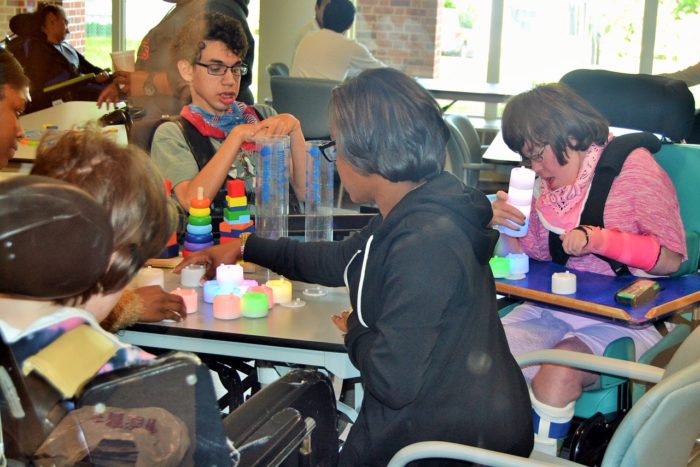
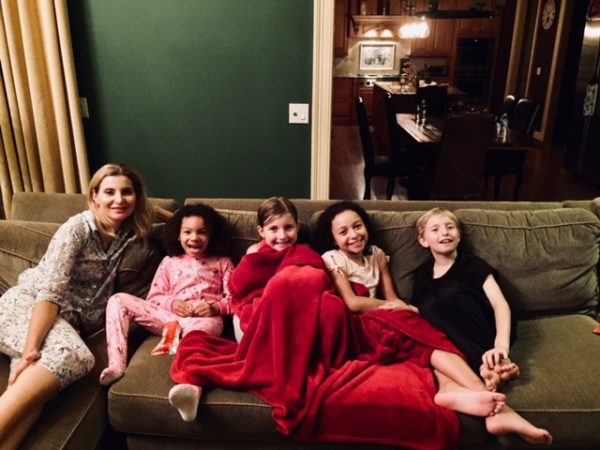
 The statistics for the children of Hour Children are grim. Read reports that children whose mothers are in prison have a much lower college rate versus those whose fathers are in prison. She hopes to crack a dent in that rate, saying, “These girls have to go to college. I love to mentor because I know firsthand how strong an impact it can have on a child’s future. Growing up, I was a little sister in the Big Brothers, Big Sisters program. My mom wasn’t stable and my “big sister” was so important. We would do little activities like make dinner or go bowling. Just having someone show interest in my life was huge and formative. I will absolutely stay in touch with these girls beyond their time in the program. I will be there to make sure they keep their lives on track. I’m paying it forward.”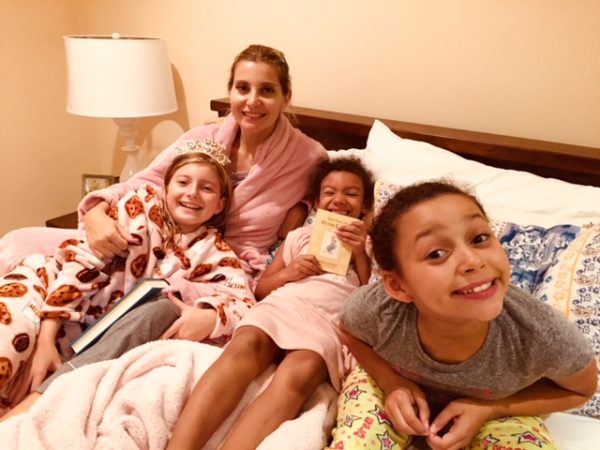
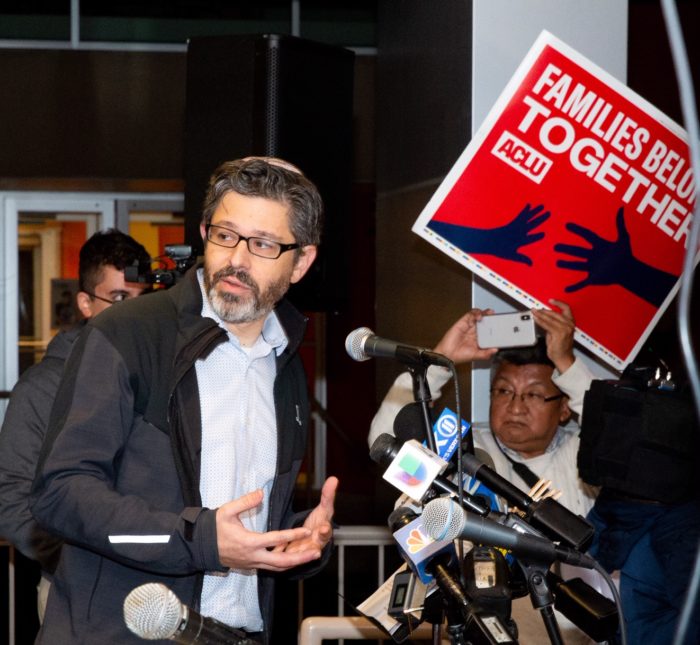
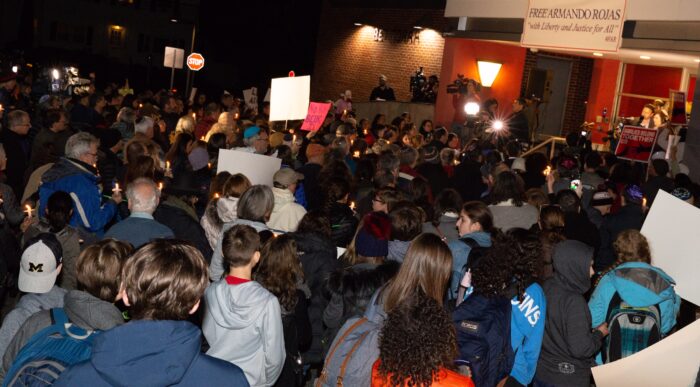
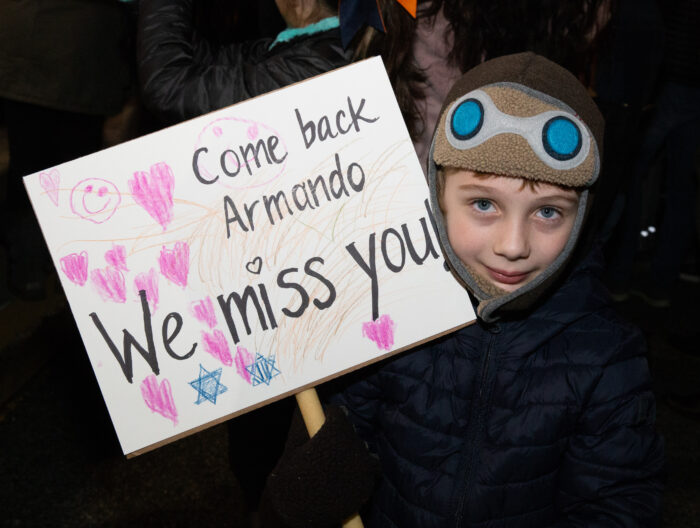
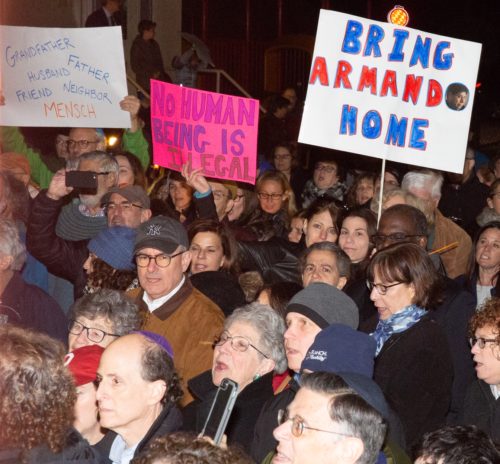 On the evening of October 16, in advance of his final asylum hearing, the Bet Torah and local communities gathered on the synagogue steps in Mount Kisco to rally in support of Armando, suddenly deported earlier this year following a mistaken arrest. Preschoolers to retirees, as well as local clergy, community leaders, and Armando’s sons Armando Jr. (26) and Ulises (15), spoke of Armando’s contributions, presence and being part of the Bet Torah family, which sang, with love, “Bring Armando Home.”