 By Alan Sheptin
I feel for the Class of 2017. When its senior prom occurs in the not too distant future, perhaps the theme should be “Changes” (that David Bowie song). This is the first class that endured the new Common Core Algebra I curriculum, a revamped English program, and redesigned AP courses. And, it will be the first to experience SAT Reboot.
This new SAT, the dream of the President of the College Board (and Common Core visionary) David Coleman, is a radical departure from the current exam. Gone is the guessing penalty for incorrect answers! Gone are the vocabulary fill-ins! Gone are those brainteaser Math questions! Gone is choice E! And gone is the required, formulaic essay where To Kill a Mockingbird can help any student respond effectively to virtually any essay prompt. Returning is the 1600-point scale. This redesign has led many a Guidance Counselor and test prep expert to call it ACT 2.0.
But is it…really?
Before the reinvigorated test samples came out earlier this year, I, too, was convinced that this was to be the College Board’s version of the ACT; after all, the College Board has seen a consistent loss in market share, while the ACT has been gaining in popularity. However, a more thorough read of the practice tests has led me to conclude differently:
Reading: Evidence-Based reading and longer passages. In addition to finding the correct answer, the follow-up question will require demonstration that a student can show where the answer was located. Some passages will be excerpted from the classics (think Bronte and Tolstoy). There will also be primary source passages, from the important documents of our civilization. There will also be a trend to more relevant passages, with charts and graphs.
Writing and Language: Understand the rules of written English. This section of the SAT mimics the look and feel of the ACT English test. Questions require students to revise and strengthen paragraphs. The reading and writing sections will be combined to create a single score.
Math: Emphasis on Algebra and Data Analysis; reduced focus on Geometry. This exam will require students to have impeccable Algebra skills, including the ability to manipulate variables, solve linear, system, and quadratic equations, explain relationships between variables, create mathematical equations, and analyze data in charts and graphs. More interestingly, this new exam will have a “no calculator” section, requiring students to manipulate algebraic expressions, have a greater sense of numbers and analysis thereof, and an increased fluency in arithmetic.
Optional Essay: Analyze the structure and rhetoric of an article. A student will have to be far more knowledgeable about rhetorical strategies in analyzing an issue. The new essay will require 50 minutes of time, instead of 25.
So, what should rising juniors (and sophomores) be doing right now to prepare for this test? Here are some of my key suggestions:
Read a variety of works. If your child has read the Harry Potter series twelve times over, or thinks that The Fault in Our Stars is high-end literature, help them raise the bar. The SAT will be testing excerpts from “rich” literature. Some passages will look like newspaper articles. Encourage your child to read the New York Times Weekly Review section, as well as the Science Times.
Take the most challenging Math courses. All too many students find Math to be a chore. Yes, learning Math is painful: just like perfecting your lacrosse moves or mastering that really tough classical piece, it takes time and patience. I usually tell my students that the few homework problems a teacher recommends constitutes the minimum amount of work you need to do to master a skill. So, keep at it. Dare to be challenged and don’t drop down a level just to get the easy A. It will hurt in the long run.
Bottom line: the jury’s still out on this new test. However, over time, I think that the College Board has finally hit the nail on the head. It created a test that is challenging, relevant, and resembles the skills required to successfully manage college.
The current SAT will continue to be offered until January 2016, and “SAT 2.0” will make its debut in March. Time will tell how students, educators, and admission officers receive the test. We will continue to analyze these new exams and their impact on the college admissions process.
Alan J. Sheptin is the founder of Sheptin Tutoring Group, LLC, a full-service test prep company in Chappaqua. He has worked with hundreds of students, successfully preparing them for the SATs, ACTs, and all academic subjects. He and his team pride themselves on providing a nurturing and motivating environment, which is vital to success. Call 844-743-7846 Email: alan@sheptin.com
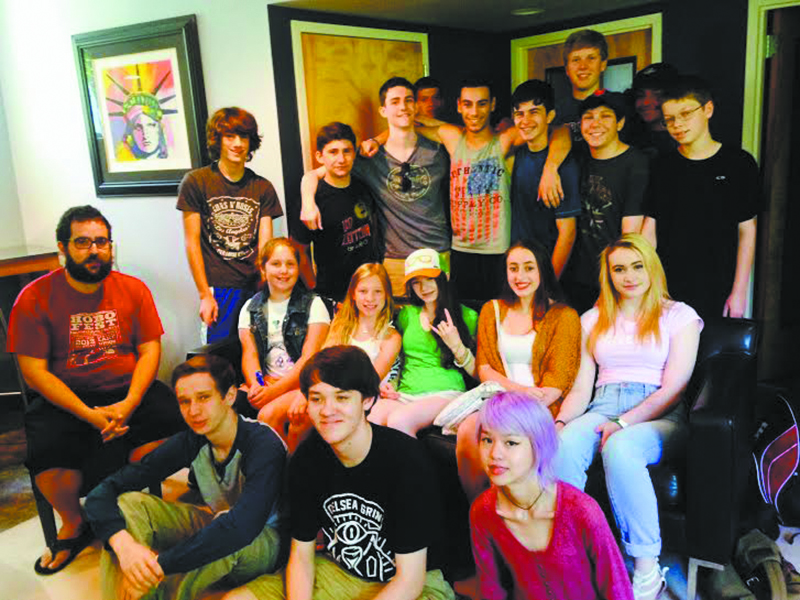
 During the camp day, in addition to preparing for the Friday performance, campers partake in music workshops covering a variety of topics–voice, rhythm, music history, and songwriting, to name a few–and a weekly music project, which may include helping to arrange an a cappella version of a song or creating a mashup of some favorite tunes. Each child also receives daily lessons on at least one instrument of their choosing.
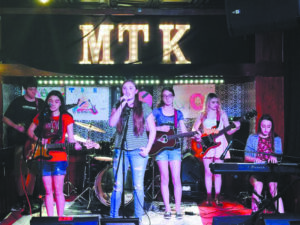 Staying with the same band for a season, or even a whole year, gives children a realistic perspective on the team building to be done later in life. The friendships formed here are just as rich as those in the summer. Many bands after years of working together at Music in Chappaqua stay together with hopes of succeeding in the professional music world.
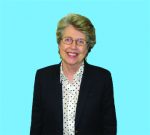 The Chappaqua Central School District is a nationally renowned suburban school system characterized by highly motivated students, a well-educated and talented staff, and an actively involved parent community. We have a strong, interdisciplinary academic program and remain committed to providing an excellent education for all students in Chappaqua. The Chappaqua Central School District provides an education for the future. Our students communicate, collaborate and create in supportive, rigorous learning environments. They become confident critical thinkers, problem solvers, and innovators. We are transforming education as we know it by creating active learning environments where students are working cooperatively toward a common goal, exchanging ideas, and relying on one another to create a product or arrive at a solution that is greater than the contribution of any individual. Our students perform well on the Regents exams, SATs and other measures of academic achievement, and our schools consistently rank among the top schools in the county, state and the nation.
 THE CHAPP APP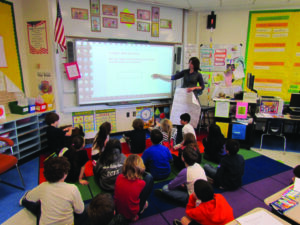
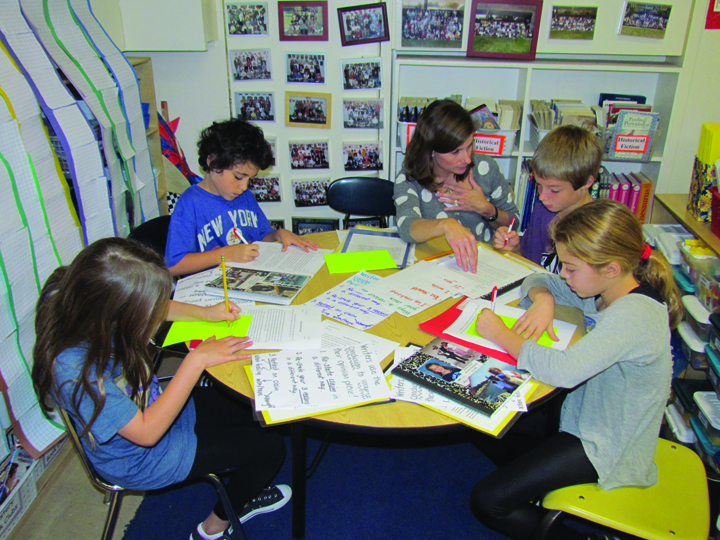
 The District’s three elementary schools serve approximately 1,360 students in grades K through 4. Each school fosters a love of learning in a nurturing environment that promotes mutual respect and encourages social responsibility. The emphasis is on higher-level thinking skills with the development of essential skills to provide a strong foundation for students to become life-long learners. The schools are organized in heterogeneous classes with comprehensive support services and technology integrated into the curriculum. The instrumental music program (lessons and group instruction) begins in fourth grade, with students selecting from a variety of string, woodwind, and brass instruments to play as they embark on their exploration of band or orchestra participation.
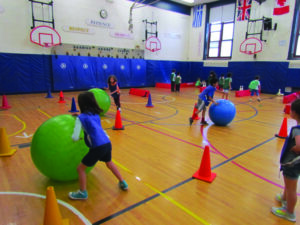 Elementary teachers nourish students’ emotional lives and guide their social development, instilling in them an appreciation of self-worth, of individual difference, and of global interdependence. They help them learn how to manage freedom and to act ethically so that each may become a responsible, contributing member of a global society, and are supported in their work by a variety of special area teachers as well as teaching specialists. While responsible for covering the District’s challenging curriculum, teachers are encouraged to use their individual talents and interests for the benefit of their students.
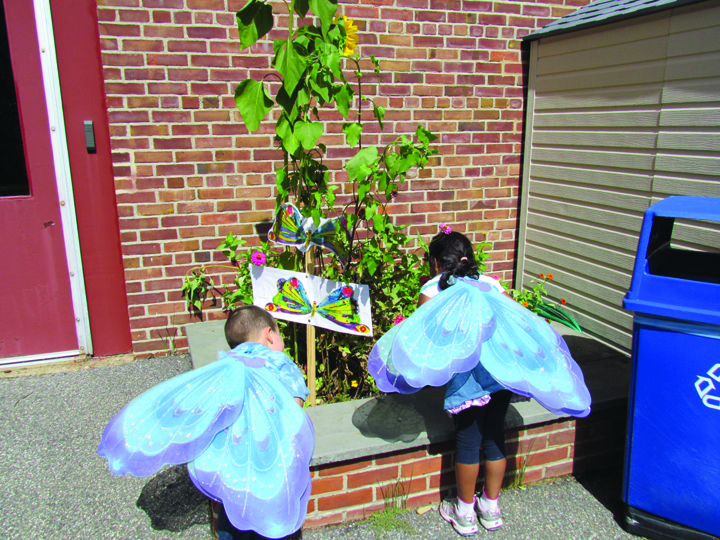 The end result is a caring and nurturing child-focused environment with student projects and artwork covering just about every inch of the hallways.
 Seven Bridges Middle School
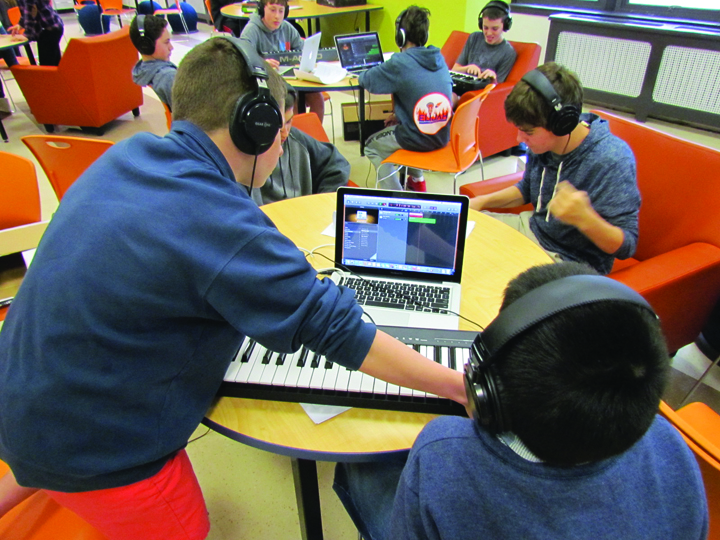
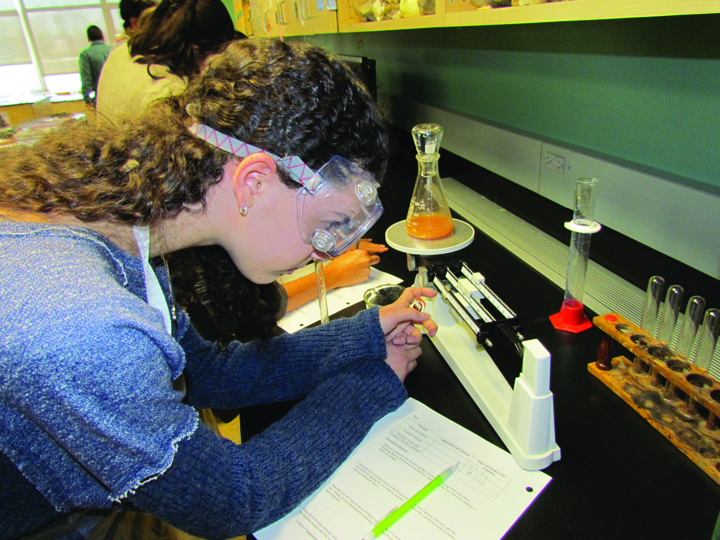 The middle schools also embrace a team-teaching philosophy, with staff meeting daily to discuss student needs, curricular and instructional issues, and to communicate with parents and support personnel. Students practice creativity and are committed to learning and growth. They are good writers and speakers who express themselves well in many media, and are open minded and at ease collaborating and cooperating with others. They study core subjects and take courses in technology, computers, art, music, physical education, health and family and consumer science. Foreign language instruction begins in the 5th grade when students have the option of taking Latin, French, or Spanish.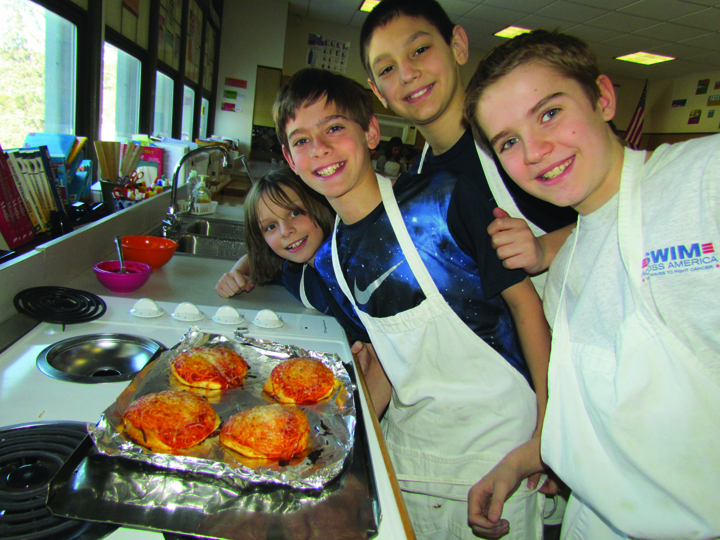
 Horace Greeley High School
 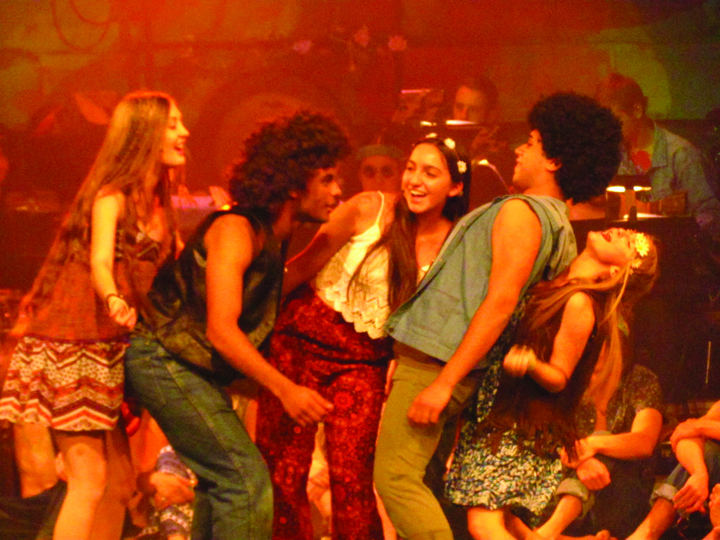 Greeley students are self-motivated and highly engaged as they are taught to think critically and collaborate to solve problems in all courses. In addition to core subjects (most students take English, social studies, math, science, and foreign language classes through their senior year,) students are committed to the fine and performing arts and have an opportunity to take any number of the dozens of electives offered–including shared online courses, a science research course, independent study, and the senior experience internship program. Over two-thirds of the student body participate in more than 85 clubs and organizations, publish two student newspapers and play on over 70 sports teams.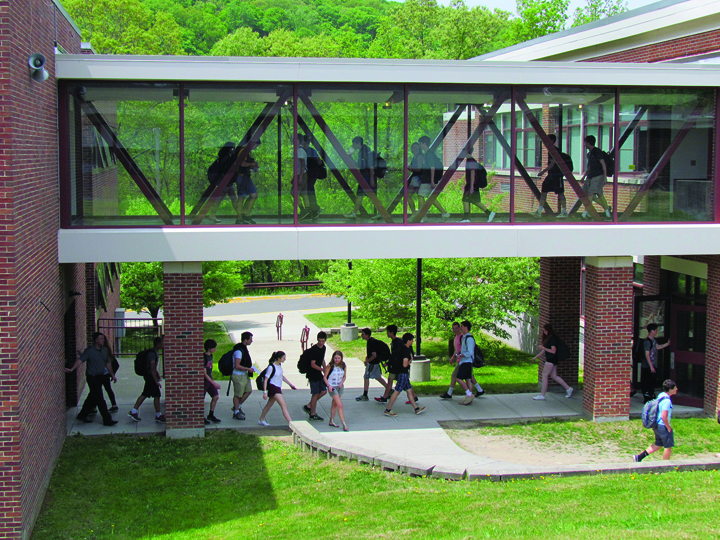
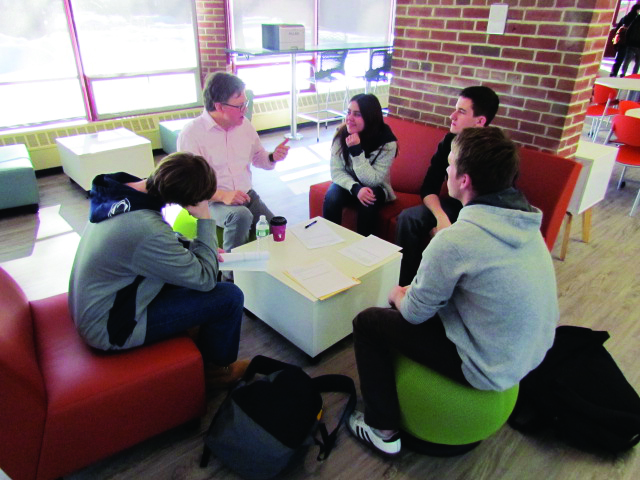 Greeley has an iLab, a maker space, and a visual arts lab. These student-centered learning environments support small and large group instruction, independent study, and team collaboration. Students can roll up their sleeves and actively participate in problem-based learning, divergent thinking and knowledge creation.
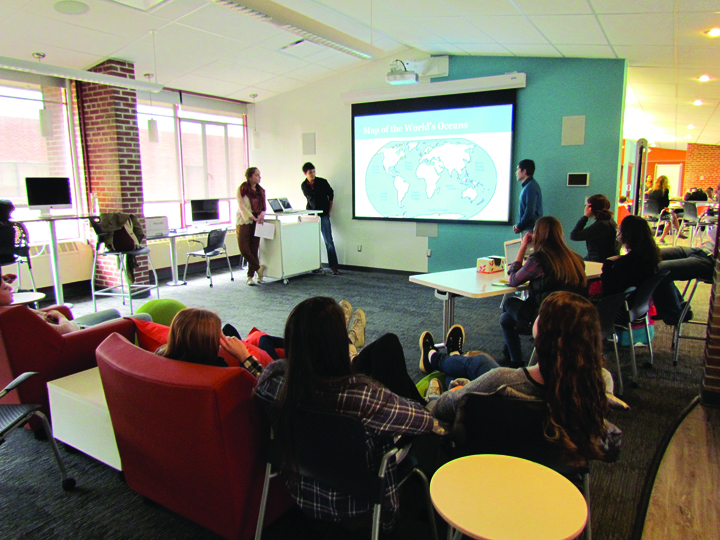 The L.I.F.E. School (Learning Independently From Experience) is an alternative high school on the Greeley campus for approximately 60 juniors and seniors. L.I.F.E. utilizes innovative strategies of teaching and learning, and students play a major role in designing their learning experiences, which include internships, independent projects, and other off-campus experiences.
 It is my pleasure to describe our outstanding school district. The Ossining Union Free School District, nationally recognized for its award-winning and innovative programs, serves about 4,900 students in six schools that are organized by grade level: Park Early Childhood Center (pre-kindergarten and kindergarten); Brookside School (grades 1 and 2); Claremont School (grades 3 and 4); Roosevelt School (grade 5); Anne M. Dorner Middle School;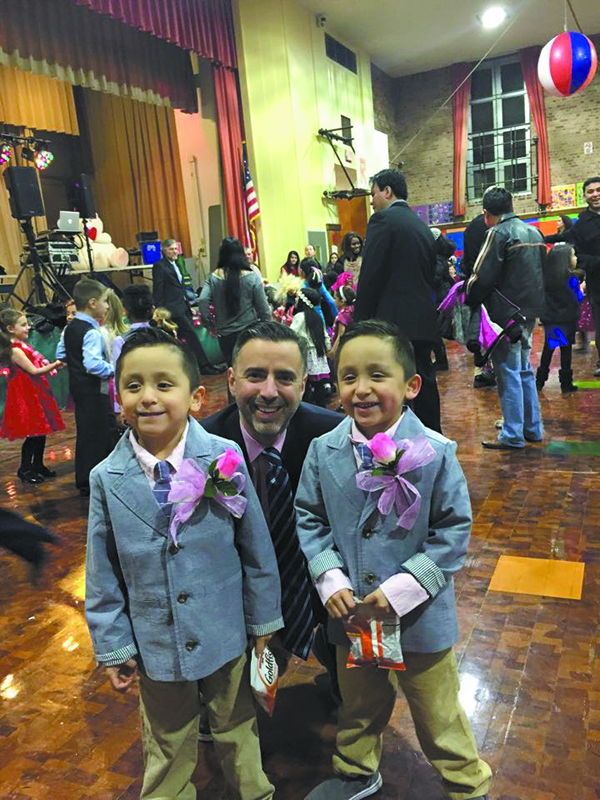
 Yorktown Central School District is committed to the education of the whole child. Our programs embrace this whole child philosophy and ensure that our students are prepared academically, socially, emotionally, physically, morally and aesthetically. It is our desire that our students leave Yorktown Central School District with the knowledge, skills and values that they need to competently lead and compassionately serve at their colleges and in their communities. Our dedicated administrators, faculty and staff support our students in the classroom, on the stage and on the fields. Yorktown Central School District encourages student participation on more than 60 teams and 75 clubs.