The Sharing Shelf plans to fill at least 1,500 backpacks and seeks to raise $45,000 for this project.
Each summer, The Sharing Shelf organizes its “Backpacks to School” initiative to buy new backpacks and fill them with grade appropriate school supplies for low-income children in Westchester County. The program works with individuals and businesses County-wide to raise the funds needed to purchase everything needed for this initiative, from new backpacks to binders, notebooks, folders, crayons, pencils, pens and paper.
At this moment the last days of being in a school are a distant blur and back to school is filled with uncertainty, whether our children will return to school as we know it, shift into a hybrid system, or continue with home-based schooling.
The Sharing Shelf, in consultation with educators, has decided to proceed with its annual program. These educators have told us that regardless of what form school will be, children still need to learn. They will not only need the usual supplies but also resources to keep them mentally engaged and enriched. It is The Sharing Shelf’s plan to provide not just the basics, but enhanced materials such as age-appropriate educational magazines, puzzles, activity sets and books.
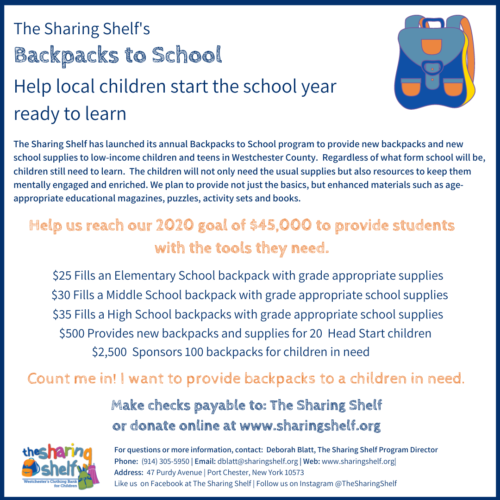 Even before the pandemic and economic downturn, Westchester County was a community with a mix of great wealth yet home to nearly 60,000 low-income children. In some of our communities, 8 in 10 public school students qualify for free or reduced lunch. We believe that number, given the current environment, is probably much higher. In April 2020, unemployment in Westchester county skyrocketed to over 14% from 4% in January 2020. Meanwhile, the average family spends $122 on school supplies, a sum out of reach for families struggling financially.
The Sharing Shelf plans to fill at least 1,500 backpacks and seeks to raise $45,000 for this project. Volunteers will help assemble the backpacks, using social distancing in a special area at The Sharing Shelf’s Port Chester warehouse during the month of August. The backpacks and supplies are critical to the academic success of low-income children and will allow them to return to school prepared, confident, and ready to learn.
To find out more about how to help or to donate, please contact The Sharing Shelf Program Director, Deborah Blatt at dblatt@sharingshelf.org or (914) 305-5950. You may also visit www.sharingshelf.org and click on Backpacks to School
About The Sharing Shelf
Founded in 2009, The Sharing Shelf is Westchester’s Clothing Bank for Children. The program collects new and gently used clothing for infants, children and teens. The clothing is distributed to local, low-income children through area social service agencies, schools, hospitals and other non-profits at no cost. The children receive a week’s worth of seasonally appropriate clothing matched to their sizing needs. Since 2011, The Sharing Shelf has been filling new backpacks with fresh supplies for back to school. For more information, visit www.sharingshelf.org
This story is courtesy of The Sharing Shelf.
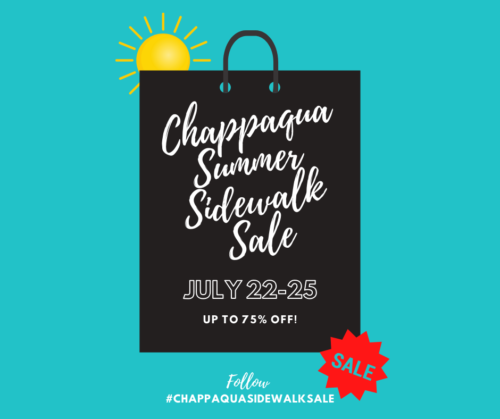 After four months of quarantining and social distancing, many people have yet to enter back into the retail therapy aspect of their lives due to the discomfort that comes with entering stores. Well, no need to fear. From Wednesday July 22nd through Saturday July 25th, townies and shoppers from afar can come and browse from over 25 Chappaqua merchants with discounts up to 75%. Masks will be required, hand sanitizer stations will be available widely and Greeley Avenue will have additional pedestrian walkway with police delineators bordering the parking spots. The New Castle Police Department
 The Field Hall Foundation announces $240,000 in new grants. $190,000 has been awarded through its Summer 2020 grant cycle, and will be used to pilot, support and/or expand programs focused on the most basic needs of vulnerable seniors and their caregivers.
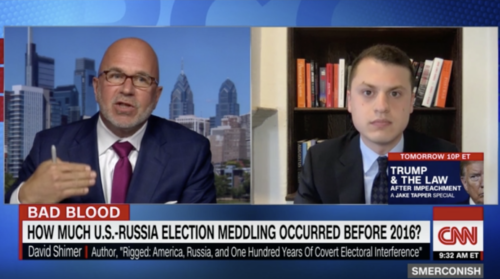
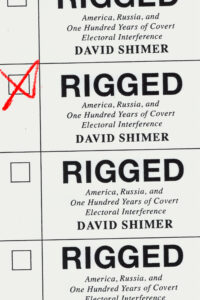 The first is that Russia’s 2016 operation marked the evolution rather than the creation of a practice. For about a century, with brief interruptions, Moscow has been targeting elections all over the world, including in the United States. The KGB sought to interfere in America’s 1960, 1968, 1976, and 1984 elections, as I detail in my book, with tactics eerily reminiscent of Putin’s. Across these operations are patterns that can and should instruct our response to the Russia threat. The most basic one is that covert electoral interference always involves efforts to manipulate voters or to alter actual ballots. To defend an election is to defend against both forms of attack.