I’ve been known to say, “It takes a village,” and I still believe that’s true. In a world where negative forces are everywhere, nothing gives me more cause for optimism and hope than Americans coming together with their neighbors to celebrate joyful moments and care for each other in hard ones. That’s why Inside Chappaqua’s mission to “share the heart of the community,” is so urgent and so meaningful.
Local news is an increasingly rare resource. Since 2005, about 25 percent of America’s newspapers have shuttered. Today, nearly 70 million Americans live in communities without a local news source – also known as “local news deserts.” Our communities and country suffer for it.
When Bill and I first moved to Chappaqua 22 years ago, the only local media outlets were school and town newsletters. Grace Bennett, a longtime Chappaqua resident and graduate of Columbia University’s journalism school, knew that a community as remarkable as ours needed more local coverage. So she did what all gutsy women do when they identify a problem: she came up with a solution. That solution was Inside Chappaqua.
I’ve been fortunate to be interviewed by Grace, and to read her coverage of everything from extraordinary Chappaqua residents to forgotten local histories to the Democratic National Convention. She even came with me to Africa when I was Secretary of State. She and her talented freelance staff make sure that no Chappaqua story, small or large, goes unnoticed. Since 2003, Grace has maintained and expanded readership through huge changes and difficult times in the world, by keeping our communities connected and informed.
The events reported in local press may seem small, but these happenings are the stuff of our lives. Memorials, performances, local traditions and histories: these are the things that bring us together and remind us of our shared humanity. And local reporting has a measurable impact on how we relate to and care for each other. Research shows that places with less access to local news have lower voter turnout and greater polarization.
For 20 years, Inside Chappaqua has been one of the positive forces that help keep our town vibrant and big-hearted. Under Grace’s leadership, this mighty news magazine helps us stay connected to our neighbors, our community, and to the world outside our village. Here’s to the next 20 years!
Hillary Rodham Clinton
Chappaqua, NY

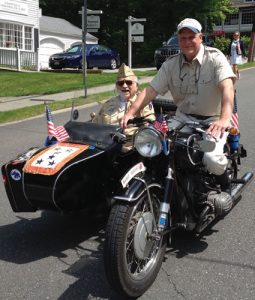
Photo by Marianne Campolongo for the Inside Press
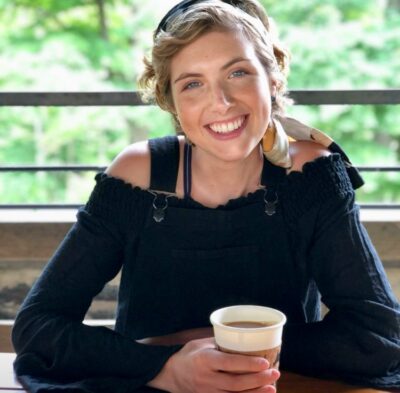 Danielle Taylor Leventhal, beautiful ray of sunshine and strong-willed woman, passed away on August 4, 2021 at the age of 27, after four years of outliving terminal cancer. She is survived by her parents, Eric and Jennifer (Hecht) Leventhal of Rye (formerly Chappaqua); brother Alex Leventhal; Cavapoo Hudson; maternal grandparents Kelvin and Carolyn (Robinson) Hecht of Avon, CT; paternal grandparents Dr. Gerald and Judi (Blumenreich) Leventhal of Scarsdale, NY; Aunt Carrie Hecht Trookman (Nate) of Colorado Springs, CO; Uncle Charles Hecht (Robyn) of Needham, MA; Aunt Robyn Leventhal of Portland, OR; cousins across the country and dear friends and Alpha Phi sisters around the world.
 We checked in first with Russell Maitland, Fire Chief of Chappaqua who said that the parade has “grown quite extensively” during his tenure of 33 years. Members (including those as young as 16) of both the Chappaqua Fire Department and the Millwood Fire Department put on their finery and take their places. “It’s a multifaceted event which brings the entire community together on one day,” Maitland said. And yes, the town is assured of fire protection during the parade as well as on every other day. The sirens did sound one year during the event when they were summoned to put out a blaze. Both departments hastened to the scene and the parade immediately resumed.
 For the Girl Scouts, playing a role in the parade is one of the highlights of the year and one taken very seriously; some march every year. It instills “a sense of respect,” Service Unit Manager of Chappaqua Girl Scouts Lori Townsend observed. “Even the youngest girls recognize the importance of paying tribute.” Each troop makes a banner to carry, adorned with their names. Lining up in age order, they appear in a variety of colorful uniforms. At the closing ceremony, they regard the red, white and blue flowers, designed in a chevron military symbol with pride for they added the white petunias and red begonias to the perennial salvia.