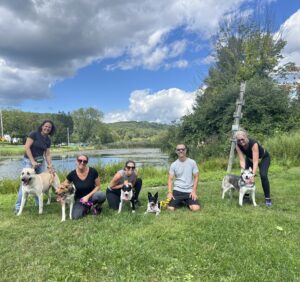
 (L-R): ANCAR volunteers, Cathy Hildenbrand, Kelly Guich, Jocelyn Herman, Tom Becker and Justine Fontinelle
There’s nothing quite like the companionship of a dog. As Charles Schultz famously put it, “Happiness is a warm puppy”. We love our canine companions and they love us. Fortunately, living in Northern Westchester offers countless opportunities to deepen that bond. With endless trails to explore, neighborhoods to wander and backyards perfect for a game of fetch, our dogs can easily become our adventure partners. And when we are looking to be a little more social, there are plenty of classes, clubs and meetups to enjoy together as well.
But the benefits of sharing our lives with our dogs go beyond just playtime. According to numerous studies, pet owners in general, and dog owners in particular, tend to have longer, healthier lives than people without pets. Dogs help us to stay active while providing companionship, love, support and friendship. In return, the care, love and attention we give them foster confidence, security and trust. In a study out of Emory University, neuroscientist Gregory Berns found “a similarity between the part of a dog’s brain that lights up when they hear their owner’s voice and the same area in our brains that lights up when we’re around someone or something we love.” When animals and people share a caring relationship, both can experience stronger emotional, social and physical well-being.
While everyday activities like walking, cuddles, playtime and even car rides naturally strengthen the human-canine bond, some owners enjoy finding new ways to engage with their dogs physically and mentally. Whether your goal is to build confidence, reduce stress, or simply have fun together, these activities can deepen your relationship and broaden your dog’s engagement with the world.
Of course, every dog is different. Their personalities, abilities and interests vary widely so there is no one size-fits-all approach. The key is finding activities that both you and your dog genuinely enjoy.
Try A Class!
Structured classes can provide both enrichment and a shared sense of accomplishment. You can find many of these classes throughout Westchester County.
Agility
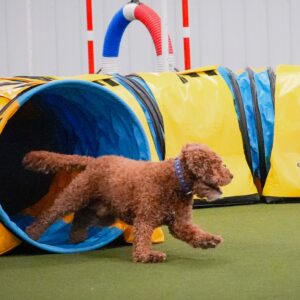
PHOTO BY MISA MARTIN
Agility challenges dogs to navigate obstacle courses that may include hurdles, teeter-totters, tunnels, balance beams, weave poles and climbing structures. Agility trials can range from competitive to complete fun and can be set up at a training site or right in your backyard. Either way, they serve as an excellent activity to help a dog release energy and learn to focus.
Dog Parkour
Dog Parkour offers another physical challenge but relies less on specialized equipment and more on exploration and fun. Using every day, natural, or urban obstacles, dogs learn to jump, climb, and maneuver through a variety of environments safely and at their own pace.
Nose Work
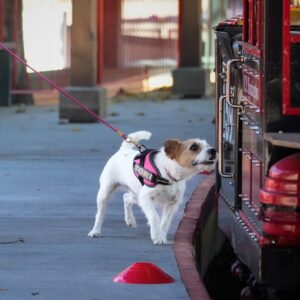
PHOTO BY MISA MARTIN
Nose Work taps into a dog’s incredible sense of smell. Dogs are trained to search for specific scents, using food or other target odors hidden in indoor and outdoor environments. Dogs that regularly engage in sniffing activities tend to have lower stress levels and reduced cortisol. This focused activity can also help dogs develop coping skills that carry over into everyday situations.
Animal Assisted Therapy
Perhaps the ultimate bonding activity is Animal Assisted Therapy, where humans and dogs train as a team to support others. Human-canine teams visit places like hospitals, nursing homes and libraries to help provide support, boost morale and encourage social interaction. Working together in service of others can create an incredibly strong partnership between dog and handler.
Home Improvements
For those who prefer a more laid-back approach to bonding, simple changes at home can significantly enrich your dog’s daily life.
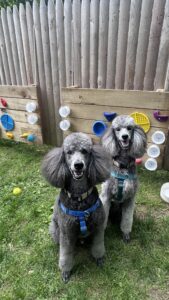
PHOTO BY CANDY HIGGINS
Consider transforming your daily walk into dedicated bonding time. Be fully present during these outings. When we are focused on our phones, we are having a separate experience from our dogs- and they notice. Candy Higgins, Certified Dog Behavior Consultant (CDBC), suggests, “Think about your dog’s walk as a ‘sniffari’. Allow them time to wander, experience scents, follow interesting smells and even choose the direction of their walk. Make this time meaningful! I love when my dog finds something exciting and then looks back at me to check in, as though he’s saying, ‘Hey I wish you could smell how cool this is!’”
You can tailor enrichment activities to your dog’s natural interests. Are they a sniffer, digger, forager or chewer? Creating appropriate outlets for these instincts can be both easy and rewarding. Set up “sniffy” opportunities by scattering treats around the house or yard or create a treat-based scavenger hunt. Dogs find these scent-oriented adventures highly engaging, and it’s fun to participate in the activity with them. If your dog loves to dig but you’d rather not sacrifice your favorite shrubs, consider creating a designated dig area with toys, balls or other safe enrichment items for them to find. You can even install a small sandbox specifically for digging. Higgins has designed a variety of enrichment features for clients including a sniff wall and a scent garden. Dog-safe plants can provide interesting scents and varied textures for dogs to move through and explore. Plants such as Irish Moss offer a soft surface underfoot, while herbs like basil, fennel, rosemary and thyme can create a stimulating sensory experience, whether planted in the ground or containers.
The ASPCA maintains a comprehensive list of plants that are safe and unsafe, which can be very useful when planning your garden. aspca.org/pet-care/animal-poison-control/dogs-plant-list
No Dog? No Worries!
If you don’t currently have a dog, you don’t have to miss out on the experience. Consider volunteering or fostering with an animal rescue! The many rescue organizations throughout our area are always looking for foster families. Jen Ives, who fosters for A New Chance Animal Rescue (ANCAR), notes, “One of the most rewarding parts of fostering a dog is the strong bond that develops as I help a dog feel trust and love often for the first time in their lives.” Bonding with a foster dog and being a part of their transition to a forever home, is an incredibly unique opportunity.
Know Your Dog
Taking the time to discover what your dog truly enjoys- and joining them in those experiences- builds connection and enriches their all-too-short lives. Bonding with your dog does not have to be elaborate. It can be as simple or as ambitious as your lifestyle allows. According to Lisa Edwards of Three Dogs Training, “Ultimately the best way to bond with your dog is to understand what they love and what you love and find where the crossover is.” Edwards notes she has worked with clients who enrolled their dogs in agility work because they thought their dog would love it only to discover that the activity left them overstimulated. The owners enjoyed it and expected their dog would too, but that wasn’t necessarily the case.
As a therapy dog trainer herself, Edwards thought her own dog, Parthos, would enjoy therapy work. She quickly learned otherwise. One day, as they prepared to leave for a visit, he made it abundantly clear that he was done. “People have to ask their dog what they would like and really listen to them,” she says.
Ultimately, the strongest bonds are built not through any particular activity, but through shared experiences and mutual understanding. Whether it’s a leisurely sniffari, an agility course, a scent garden, or simply relaxing together in the backyard, the key is discovering what brings joy to both you and your dog. Isn’t that what being a best friend is, after all?