• Skip to primary navigation
  • Skip to main content
  • Skip to primary sidebar
  • Skip to footer

The Inside Press

Magazines serving the communities of Northern Westchester

  • Home
  • Cover Stories
  • Features
    • Portraits and Profiles
  • Advertorials
    • Lifestyles with our Sponsors
    • Sponsor News!
  • Wellness
  • Happenings
  • Advertise
    • Advertise in One or All of our Magazines–And/Or Subscribe
    • Advertising Payment Form
  • Contact Us
  • Search

Cathy Hildenbrand

About Cathy Hildenbrand

Cathy Hildenbrand has raised four dogs in Chappaqua and can be found daily exploring our beautiful local trails with her 5-year-old rescue, Pepper. She and her dogs have done work as a Canine Assisted Therapy team and have fostered many rescue dogs. Next up, she and Pepper plan on trying nose work!

Bonding with our Best Furry Friends

August 20, 2026 by Cathy Hildenbrand

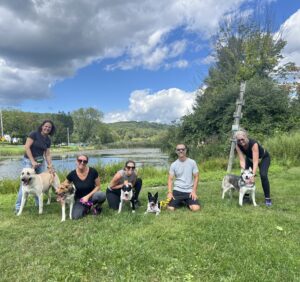
    (L-R): ANCAR volunteers, Cathy Hildenbrand, Kelly Guich, Jocelyn Herman, Tom Becker and Justine Fontinelle(L-R): ANCAR volunteers, Cathy Hildenbrand, Kelly Guich, Jocelyn Herman, Tom Becker and Justine Fontinelle

There’s nothing quite like the companionship of a dog. As Charles Schultz famously put it, “Happiness is a warm puppy”. We love our canine companions and they love us. Fortunately, living in Northern Westchester offers countless opportunities to deepen that bond. With endless trails to explore, neighborhoods to wander and backyards perfect for a game of fetch, our dogs can easily become our adventure partners. And when we are looking to be a little more social, there are plenty of classes, clubs and meetups to enjoy together as well.

But the benefits of sharing our lives with our dogs go beyond just playtime. According to numerous studies, pet owners in general, and dog owners in particular, tend to have longer, healthier lives than people without pets. Dogs help us to stay active while providing companionship, love, support and friendship. In return, the care, love and attention we give them foster confidence, security and trust. In a study out of Emory University, neuroscientist Gregory Berns found “a similarity between the part of a dog’s brain that lights up when they hear their owner’s voice and the same area in our brains that lights up when we’re around someone or something we love.” When animals and people share a caring relationship, both can experience stronger emotional, social and physical well-being.

While everyday activities like walking, cuddles, playtime and even car rides naturally strengthen the human-canine bond, some owners enjoy finding new ways to engage with their dogs physically and mentally. Whether your goal is to build confidence, reduce stress, or simply have fun together, these activities can deepen your relationship and broaden your dog’s engagement with the world.

Of course, every dog is different. Their personalities, abilities and interests vary widely so there is no one size-fits-all approach. The key is finding activities that both you and your dog genuinely enjoy.

Try A Class!

Structured classes can provide both enrichment and a shared sense of accomplishment. You can find many of these classes throughout Westchester County.

Agility

Competitive Agility with All American dog, Champ
PHOTO BY MISA MARTIN

Agility challenges dogs to navigate obstacle courses that may include hurdles, teeter-totters, tunnels, balance beams, weave poles and climbing structures. Agility trials can range from competitive to complete fun and can be set up at a training site or right in your backyard. Either way, they serve as an excellent activity to help a dog release energy and learn to focus.

Dog Parkour

Dog Parkour offers another physical challenge but relies less on specialized equipment and more on exploration and fun. Using every day, natural, or urban obstacles, dogs learn to jump, climb, and maneuver through a variety of environments safely and at their own pace.

Nose Work
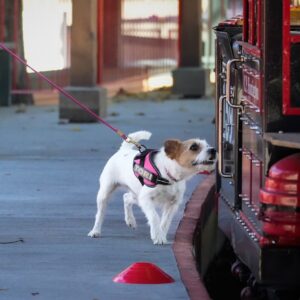
Tori in Nosework competition
PHOTO BY MISA MARTIN

Nose Work taps into a dog’s incredible sense of smell. Dogs are trained to search for specific scents, using food or other target odors hidden in indoor and outdoor environments. Dogs that regularly engage in sniffing activities tend to have lower stress levels and reduced cortisol. This focused activity can also help dogs develop coping skills that carry over into everyday situations.

Animal Assisted Therapy

Perhaps the ultimate bonding activity is Animal Assisted Therapy, where humans and dogs train as a team to support others. Human-canine teams visit places like hospitals, nursing homes and libraries to help provide support, boost morale and encourage social interaction. Working together in service of others can create an incredibly strong partnership between dog and handler.

Home Improvements

For those who prefer a more laid-back approach to bonding, simple changes at home can significantly enrich your dog’s daily life.
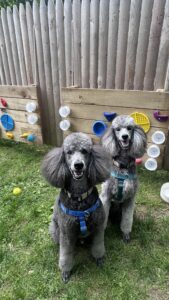
Backyard engagement areas
PHOTO BY CANDY HIGGINS

Consider transforming your daily walk into dedicated bonding time. Be fully present during these outings. When we are focused on our phones, we are having a separate experience from our dogs- and they notice. Candy Higgins, Certified Dog Behavior Consultant (CDBC), suggests, “Think about your dog’s walk as a ‘sniffari’. Allow them time to wander, experience scents, follow interesting smells and even choose the direction of their walk. Make this time meaningful! I love when my dog finds something exciting and then looks back at me to check in, as though he’s saying, ‘Hey I wish you could smell how cool this is!’”

You can tailor enrichment activities to your dog’s natural interests. Are they a sniffer, digger, forager or chewer? Creating appropriate outlets for these instincts can be both easy and rewarding. Set up “sniffy” opportunities by scattering treats around the house or yard or create a treat-based scavenger hunt. Dogs find these scent-oriented adventures highly engaging, and it’s fun to participate in the activity with them. If your dog loves to dig but you’d rather not sacrifice your favorite shrubs, consider creating a designated dig area with toys, balls or other safe enrichment items for them to find. You can even install a small sandbox specifically for digging. Higgins has designed a variety of enrichment features for clients including a sniff wall and a scent garden. Dog-safe plants can provide interesting scents and varied textures for dogs to move through and explore. Plants such as Irish Moss offer a soft surface underfoot, while herbs like basil, fennel, rosemary and thyme can create a stimulating sensory experience, whether planted in the ground or containers.

The ASPCA maintains a comprehensive list of plants that are safe and unsafe, which can be very useful when planning your garden. aspca.org/pet-care/animal-poison-control/dogs-plant-list

No Dog? No Worries!

If you don’t currently have a dog, you don’t have to miss out on the experience. Consider volunteering or fostering with an animal rescue! The many rescue organizations throughout our area are always looking for foster families. Jen Ives, who fosters for A New Chance Animal Rescue (ANCAR), notes, “One of the most rewarding parts of fostering a dog is the strong bond that develops as I help a dog feel trust and love often for the first time in their lives.” Bonding with a foster dog and being a part of their transition to a forever home, is an incredibly unique opportunity.

Know Your Dog

Taking the time to discover what your dog truly enjoys- and joining them in those experiences- builds connection and enriches their all-too-short lives. Bonding with your dog does not have to be elaborate. It can be as simple or as ambitious as your lifestyle allows. According to Lisa Edwards of Three Dogs Training, “Ultimately the best way to bond with your dog is to understand what they love and what you love and find where the crossover is.” Edwards notes she has worked with clients who enrolled their dogs in agility work because they thought their dog would love it only to discover that the activity left them overstimulated. The owners enjoyed it and expected their dog would too, but that wasn’t necessarily the case.

As a therapy dog trainer herself, Edwards thought her own dog, Parthos, would enjoy therapy work. She quickly learned otherwise. One day, as they prepared to leave for a visit, he made it abundantly clear that he was done. “People have to ask their dog what they would like and really listen to them,” she says.

Ultimately, the strongest bonds are built not through any particular activity, but through shared experiences and mutual understanding. Whether it’s a leisurely sniffari, an agility course, a scent garden, or simply relaxing together in the backyard, the key is discovering what brings joy to both you and your dog. Isn’t that what being a best friend is, after all?

Filed Under: Features Tagged With: ANCAR, Canine Assisted Therapy, Chappaqua, dog training

New Castle’s Community Gardens: Planting Seeds for Growth + Connection

April 29, 2026 by Cathy Hildenbrand

Chappaqua Community Garden

New Castle has five ballfields, five playgrounds and four town parks, but did you know we also have two community vegetable gardens? Nestled in different corners of this beautiful township are places where community members have been growing tomatoes and squash, basil, and cucumbers every spring into fall for almost 15 years. The Chappaqua Community Garden at CVAC, founded in 2012 by Suzi Novak and Intergenerate, sits right behind the Ambulance Corps in downtown Chappaqua. The Community Garden at Millwood is located on the site of the former Millwood Swim Club, at the base of Sand Street. Both were created to teach local residents how to grow their own food.

Our Community Gardens, just like so many in urban and suburban areas, have transformed vacant spaces into magical gardens for growing primarily vegetables, but some native flowers as well. Both the Chappaqua and Millwood gardens are run by passionate community gardeners and are considered “Legacy Gardens” under the umbrella of Intergenerate, a non-profit that provides resources and some funding. The Chappaqua Community Garden has been managed for the past 10 years by long-time Chappaqua resident, Joan Basile. Mike Jurney took over management of the Community Garden at Millwood just over a year ago.

Community members come together seasonally to connect over their love of gardening. But in addition to getting their hands dirty and growing vegetables, these gardens provide an opportunity for local residents to try a new hobby, make new friends, and just be outside discovering where our food really comes from.

OUR GARDENS

Community Garden at Millwood

Joan Basile has spent the past 10 years transforming the Chappaqua Garden to what it is today. With an interesting background combining clinical psychology, therapeutic horticulture (she currently teaches at the New York Botanical Garden) and gardening, Basile is also a self-identifying amateur soil scientist. Her focus is on achieving the best soil and compost and the right blend of plants to restore biodiversity and create a healthier ecosystem. This includes adding native pollinator plants to the garden to attract beneficial insects. Last year Basile received a grant for 855 native flowering plants which she, and another passionate local volunteer, Lisa Johnson, installed in and around the garden, enhancing the existing pollinator garden spaces.

On the other side of town, Mike Jurney has been busy upgrading the Millwood Garden. Jurney’s focus has been on transitioning the garden to a new layout. This planting season will start off with a new shed, upgraded galvanized steel containers for planting beds, fresh soil and plants. Jurney’s passion for gardening goes all the way back to his childhood where he was inspired by his grandparents who each maintained their own separate garden.

As a 9-year Chappaqua resident, Jurney is embracing his new role in the Millwood Garden with skill, creativity and enthusiasm. His main goal is to get the community motivated and engaged. “We welcome all gardeners from New Castle. No experience is necessary and there is regular instruction for those new to gardening.” Jurney enjoys creating a space where all gardeners can participate in the life of the garden in whatever way works for them. Having the best planting resources certainly helps with that, as each year can bring different results. Some years are great for cucumbers but terrible for tomatoes; it’s hard to know in advance. But ultimately, planting together as a community is what this is really all about.

For both gardens, community engagement and education around the benefits of healthy soil and planting is very much a part of the process. Changing climate plays into this as well. Noting warmer springs, Basile stresses earlier planting with her gardeners. While the general rule used to be to wait until mid to late May (Mother’s Day) to plant, warming trends have made it necessary to start planting earlier in the month. And with hotter summers she encourages planting for an early garden and late garden where plants will have a better chance of survival.

Community Garden at Millwood

Over the past five years, the Chappaqua Garden has been growing pollinator plants alongside the vegetables. These native flowers naturally attract butterflies and beneficial insects- improving the general wellbeing of the garden. Basile hopes to add more signage soon so community members can understand the importance of these native plantings. She also teaches sustainable garden practices like planting cover crops in the fall to feed soil life all winter long and allowing plants that have died back at the end of the growing season to remain so they can break down- making the soil more nutritive for the following season.

This year, both gardens have a strong returning community of gardeners, but there are still slots available. And with members ranging in age from 30 to 70+, everyone seems to find connection through gardening. Membership includes a plot, soil plus additives like compost, and starter plants like squash, tomatoes and basil. Members can always trade with each other and can also buy additional plants for their plot. Basile includes some flowers in her starter pack- like marigolds, borage plants and nasturtium which help to feed the soil and repel some invasive insects. Plus, they make the garden look pretty! This year she is also experimenting with milkweed which has been shown to have an impact on reducing lanternflies.

Chappaqua Community Garden

Both Basile and Jurney have many new ideas bubbling- from a Growing Gardeners Program for new gardeners to a Tomato Growing Program to themed beds like a Pizza Garden or Medicinal Herb Garden. In the future they would love to create programming for the entire community- even those without planting beds. With the right resources and collaborations, the gardens could offer programs focused on vegetable and native gardening at home, therapeutic horticulture and garden-based activities for youth to seniors in town.

Whether you consider yourself a gardener, or are just curious, everyone is welcome to visit these two gems in New Castle. While you are there, you might learn a thing or two about gardening, get inspired to go deeper or just enjoy the natural beauty. According to Basile, there is a whole cohort of people in the community who are not members but come down just to see what is going on in the garden. Seeds are always being planted!

For more information on membership or to get involved with programming please reach out to Joan at joan.basile@gmail.com and Mike at mike@jurney.org

Filed Under: Features Tagged With: Chappaqua community garden, community engagement & education, Growing Gardners Program, Millwood Garden

Welcome to Spring … Now Get Outside for a Myriad of Health Benefits

February 26, 2026 by Cathy Hildenbrand

Whippoorwill Park
Photo by Cathy Hildenbrand

The temperatures are getting warmer, the days longer and we are finally beginning to climb out of our winter caves. Spring is upon us! Just as the trees are pushing out green leaves and early spring ephemerals are exhibiting their colorful flowers, we too are offered an opportunity for vibrancy and new beginnings. What an exciting time of year to get outside. The natural world is coming alive and inspiring us to do so too.

Spring presents so many opportunities to feel and be healthy. Getting started is easy. Just open the door, step outside and take a deep breath. Spending time in nature provides a host of benefits- from reducing stress and lowering blood pressure to improving focus and mood. Being outside relaxes the brain, invites in curiosity and makes us happy.

Almost all of us feel better after time spent in nature. It’s our innate instinct. Even though our modern tech-filled world provides many distractions (most indoors), we still carry the genes of our ancestors who evolved in wild settings- relying on nature’s cycles for waking, sleeping, eating, celebrating, and survival. We are hardwired to connect with nature. Our feet want to land on the earth, and our lungs want to breathe in fresh air.

According to the American Psychological Association (APA) spending at least two hours per week in nature can have benefits for both your physical and mental health. This can be all at once or in small visits. So, as spring envelopes us, it’s time to highlight the wonderful ways spending time in nature can be good for your mind and body.

Get Reconnected

We, as modern humans, are wired to push through the daily commitments of work, life and family, which often leave us feeling stressed and overwhelmed. Our digital devices keep us constantly connected as our brains go on overload just trying to process it all. Spending time outside allows us to unwind and reconnect with ourselves and the natural world. By tapping into the cycles of nature, we reclaim balance. We slow down, we breathe, we shed the busy energy and return to our center.

Glazier Preserve
Photo by Cathy Hildenbrand

The Attention Restoration Theory (ART) notes that spending time in natural settings helps us replenish our focus. Yes, ART is well-documented in scientific literature. Natural environments invite in a state of soft fascination; they give our mind the space it requires to rest and reflect. This pause provides us with the restoration we need to actually be more productive when we get back to our waiting commitments.

TRY THIS: Take 10 minutes to sit in your backyard. Allow your mind to wander and body to absorb some relaxing earth energy – let it all go. Or wake up your body by going for a walk in your neighborhood. Along the way, see if you notice a few new trees and hear one or two birds calling out. Have a conversation with a neighbor you haven’t seen since early fall. Reconnect!

Boost Your Immunity

When you spend time outside, in sun or in rain, you are getting exposure to Vitamin D, which supports immunity, bone health and improved mood. If you up your game and find yourself amongst some trees, you will also get a healthy dose of phytoncides. Phytoncides are natural chemicals released by plants, especially trees like pines, firs and spruces. They are the “essential oils” of the forest that, when inhaled, offer a number of health benefits, including an extra boost for your immune system and reduction of stress. All this good stuff can improve your mood and help you sleep better.

TRY THIS: Plan to check out some of our beautiful local trails. Go for a 30-minute walk or hike- see how it makes you feel and how it impacts the rest of your day.

Spark Some Creativity

Glazier Preserve
Photo by Cathy Hildenbrand

Just being outside invites the brain to quiet down. Fascination attention- resting your gaze on the trees or sky or birds passing by – allows your mind to relax and opens space for new thoughts and ideas. While this may sound a little “woo-woo”, it’s vital for our mental health, especially as we are caught up processing so much these days. Inviting curiosity allows us to tap into our creative side – we open the door to learning and experiencing more- new ideas suddenly have space to emerge. With a more relaxed brain, you return to your life a little calmer which could ultimately lead to more inspiration and productivity.

TRY THIS: Take your coffee outside first thing in the morning for an entire week. What a beautiful way to start the day. Watch the sun come up, listen to the birds, reflect on the clouds in the sky. Notice if this helps you feel more inspired and focused as you head into the rest of your day.

Improve Your Heart Health

Spending time in nature triggers a physiological response that lowers stress levels. A simple slow walk allows the body to relax and find its natural rhythm. Blood pressure lowers, cortisol levels (the stress hormone) decrease, we feel a sense of calm and our hearts say, ‘thank you’. For more active folks, spring is the perfect time get back outside to run, bike, swim, or play tennis. Even a brisk 20-30 minutes of outdoor exercise is enough to make a lasting impact. Working out in fresh air cleanses the body while exposing it to the beneficial qualities of Vitamin D.

TRY THIS: Instead of going to the gym, move your workout outdoors one or two days a week. Try active walking, running or bike a loop around the neighborhood. Feel the difference in your body and mind.

Sleep Better

We are healthier when we sleep better, and good sleep is enhanced by plenty of fresh air and exposure to natural light. A good way to find balance is by watching the sun rise and moon set. By following these daily cycles, we tap into our circadian rhythms. This helps reset the mind and body to regulate our sleeping and waking. When our internal clock is adjusted to the natural cycles of nature, we are more in balance.

TRY THIS: Step outside for 5-10 minutes first thing in the morning or at the end of the day. Invite in the beauty of spring as you watch the sun rise or set in the sky. See if this helps you to feel more in sync and better prepared for a good night’s sleep.

Boost Your Happiness

Being in nature makes us happier. When we are outside, we feel something bigger than us, which opens our hearts and makes us want to be kinder to ourselves, others and the Earth. This idea of connectedness contributes to a sense of positivity, well-being, better social interactions and a greater understanding of meaning and purpose in life. That’s a lot towards feeling happy and good towards yourself!

TRY THIS: Get to know some of the trees in your backyard. Or plant a few flowers and plants in your garden or pots. Extra points if you plant native. In addition to beautifying your surroundings and benefitting the local ecology, getting your hands in the earth has great connecting qualities.

Filed Under: Features Tagged With: better sleep, boosts immunity, improves heart health, sparks creativity

National Charity League of Northern Westchester: Bringing Mothers & Daughters Together in Service

November 25, 2025 by Cathy Hildenbrand

Lily & Amanda Hufnagel at the traditional tea last spring

In the heart of Northern Westchester, a unique organization is taking root- built on the values of tradition, community, family and giving back. The National Charity League (NCL) Northern Westchester Chapter is a mother-daughter nonprofit, focused on community service, leadership, and cultural experiences.

According to chapter founder and president, Amanda Hufnagel, “NCL represents a group of dedicated mothers and daughters who collectively want to help, assist, and improve our communities through volunteering”.

Hufnagel brought NCL to Northern Westchester in 2020. While living in Georgia, she witnessed the organization’s incredible impact. Being able to spend meaningful time with her daughters while providing support to her community felt unique and powerful. When her family moved to New York, the concepts behind NCL came with her, and the Northern Westchester Chapter was born.

But NCL has a century old legacy. Starting in California in 1925, “The Charity League” consisted of mothers who volunteered to craft layette baskets for the American Red Cross. Over time, groups of mothers and daughters worked together to offset the challenges of the Depression and World War II. In 1947, the organization officially became the National Charity League.

Today, NCL has over 300 chapters nationwide and is recognized as the original mother-daughter charity organization. According to Amy Diaz of Briarcliff Manor, “Volunteering with my daughter is a rewarding experience that… has strengthened our bond, models important values, and creates lasting memories”.

Amy & Ava Diaz at The Community Center of Northern Westchester School Supply Distribution

The Northern Westchester Chapter unites mothers and daughters from 7th to 12th grades across 10 school districts- including Chappaqua, Pleasantville, and Armonk. Chappaqua residents comprise their second-largest membership group. The chapter partners with 18 local and national organizations, allowing members to find what resonates most with them. Tenth grader Emmeline Alverson, of Katonah Lewisboro, shares, “NCL is a great place to interact with people outside of our circles…. It’s also a great opportunity to enter the world of volunteer work and help our community”.

In this past year, members have volunteered locally at the Draw for Paws table at the Chappaqua Children’s Book Festival and organized a game night at the JCCA. They also collected over 7,000 books for their NCL MLK Book Drive, donating half of them to 914 Cares and the other half to a low-income middle school in New York City. Nationally, NCL supports the Alzheimer’s Association, Operation Gratitude, and the American Red Cross.

NCL requires mothers and daughters to complete 15 service hours of service yearly but always welcomes more engagement. “NCL has opened countless opportunities for me to contribute and make an impact across multiple organizations,” says Horace Greeley senior Talia Dessi.

Beyond service, NCL places value on tradition as well as cultural and leadership development. Randi Bergtraum, of Rye notes, “Not only do we give back alongside our daughters, but we have the opportunity to build community within the chapter and teach our daughters how to become leaders”. Two main events are the Fall Kickoff and the Traditional Spring Tea, where graduating seniors are honored.

Five years later, Hufnagel’s vision has turned into so much more than she ever expected. The traditions within NCL and the opportunities it offers have made a deeply impactful impression on both its volunteers and recipients. Hufnagel will be stepping down in the Spring- her youngest is graduating high school – but she is optimistic about a lasting legacy. “I hope my daughters have enjoyed their time at NCL and have developed a lifelong passion for community service”.

NCL President-Elect Allison Shaw, of Katonah Lewisboro, is enthusiastic about continuing the momentum, “It’s wonderful that NCL continues to grow and thrive, providing a wider outreach to the organizations we serve throughout Westchester.”

If you are inspired to join NCL, the next membership drive will open on January 15, 2026, and run through March 1, 2026. For more information, email membership at membershipnorthernwestchester@nclonline.org.

Filed Under: Features Tagged With: Mother/Daughter charity, National Charity League, NCL legacy, uniting mothers & daughters

Primary Sidebar

Please Visit

White Plains Hospital
William Raveis – Armonk
William Raveis – Chappaqua
Raveis: Stacey Sporn
NYOMIS – Dr. Andrew Horowitz
Houlihan Lawrence – Chappaqua
Houlihan Lawrence – Armonk
Houlihan Lawrence – Briarcliff
Repose
Compass: Miller Goldenberg Harris Team
Maid Brigade
Stacee Massoni
Meagher & Meagher Attorneys at Law
Raveis: Lisa Koh and Allison Coviello
Pleasantville Tavern
Compass: Aurora Banaszek
Jacob Burns Film Center
Houlihan Lawrence: Harriet Libov
Floorcraft
Bristal Assisted Living
Douglas Elliman: Chappaqua
Spavia
Armonk Outdoor Art Show
Roamfurther Athletics
Mohini Rawat Physical Therapy
Play Nice Together
Dr. Briones Medical Weight Loss Center
Houlihan: Tara Siegel
Carolyn Simpson (Doublevision Photographers)
Beascakes Bakery
New Castle Physical Therapy

Follow our Social Media

The Inside Press

Our Latest Issues

For a full reading of our current edition, or to obtain a copy or subscription, please contact us.

Inside Chappaqua and Millwood Inside Armonk Inside Pleasantville and Briarcliff Manor

Join Our Mailing List


Search Inside Press

Links

  • Advertise
  • Contact Us
  • Digital Subscription
  • Print Subscription

Publisher’s Note Regarding Our Valued Sponsors

Inside Press is not responsible for and does not necessarily endorse or not endorse any advertisers, products or resources referenced in either sponsor-driven stories or in advertisements appearing in this publication. The Inside Press shall not be liable to any party as a result of any information, services or resources made available through this publication.The Inside Press is published in good faith and cannot be held responsible for any inaccuracies in advertising or sponsor driven stories that appear in this publication. The views of advertisers and contributors are not necessarily those of the publisher’s.

Opinions and information presented in all Inside Press articles, such as in the arena of health and medicine, strictly reflect the experiences, expertise and/or views of those interviewed, and are not necessarily recommended or endorsed by the Inside Press. Please consult your own doctor for diagnosis and/or treatment.

Footer

Support The Inside Press

Advertising

Print Subscription

Digital Subscription

Categories

Archives

Subscribe

Did you know you can subscribe anytime to our print editions?

Voluntary subscriptions are most welcome, if you've moved outside the area, or a subscription is a great present idea for an elderly parent, for a neighbor who is moving or for your graduating high school student or any college student who may enjoy keeping up with hometown stories.

Subscribe Today

Copyright © 2026 The Inside Press, Inc. · Log in